
Looking glamorous has become a priority for millions of people around the world. Whether you need to impress an audience at a special event, make a stellar impression at a job interview, or simply feel confident on a first date, quality makeup products play an essential role in personal presentation. This growing demand for beauty products has created an incredible business opportunity for entrepreneurs who dream of building their own cosmetics empire.
Starting your own makeup line represents one of the most lucrative ventures in today's marketplace. The global beauty industry continues to expand at an remarkable pace, with countless competitive cosmetic brands emerging each year. If you have ever dreamed of creating your own brand of lipsticks, foundations, eyeshadows, or skincare products, there has never been a better time to turn that vision into reality.
However, launching a successful makeup business requires more than just passion and creativity. It demands careful planning, strategic decision-making, and a thorough understanding of the cosmetics market. This comprehensive guide will walk you through every essential step you need to take to establish and grow a thriving makeup line that stands out in this competitive industry.
Before You Take the Plunge: Understanding the Cosmetics Landscape
The cosmetics industry stands among the most profitable sectors in the global economy. What makes this industry particularly attractive for new entrepreneurs is its consistent growth trajectory and the passionate loyalty of its customer base. Beauty consumers tend to be extremely dedicated to brands that resonate with their personal style and values, creating long-term revenue opportunities for companies that establish genuine connections with their audience.
Before diving headfirst into this exciting venture, you need to honestly assess your readiness for the challenges ahead. Building a successful makeup line requires three fundamental resources: time, capital, and an unwavering commitment to excellence. You must be prepared to invest significant hours into learning the intricacies of product development, regulatory compliance, and marketing strategies. Financial resources will be needed for product manufacturing, packaging design, branding, and initial marketing efforts.
Perhaps most importantly, you need a disciplined mindset that can weather the inevitable ups and downs of entrepreneurship. The first few months—and sometimes even the first year—of your business may present challenges that test your resolve. Product launches may not generate immediate sales, manufacturing delays might occur, and marketing campaigns may need multiple iterations before yielding results. Your ability to persist through these early challenges will ultimately determine your success.
Additionally, you should clearly identify which specific products you want to feature in your makeup line. Will you focus on premium luxury cosmetics, affordable drugstore options, or perhaps a specific category like lip products or eyeshadow palettes? Having this clarity from the beginning will help you target the right audience and position your brand effectively in the marketplace.
Choosing Your Niche: The Foundation of Your Brand Strategy
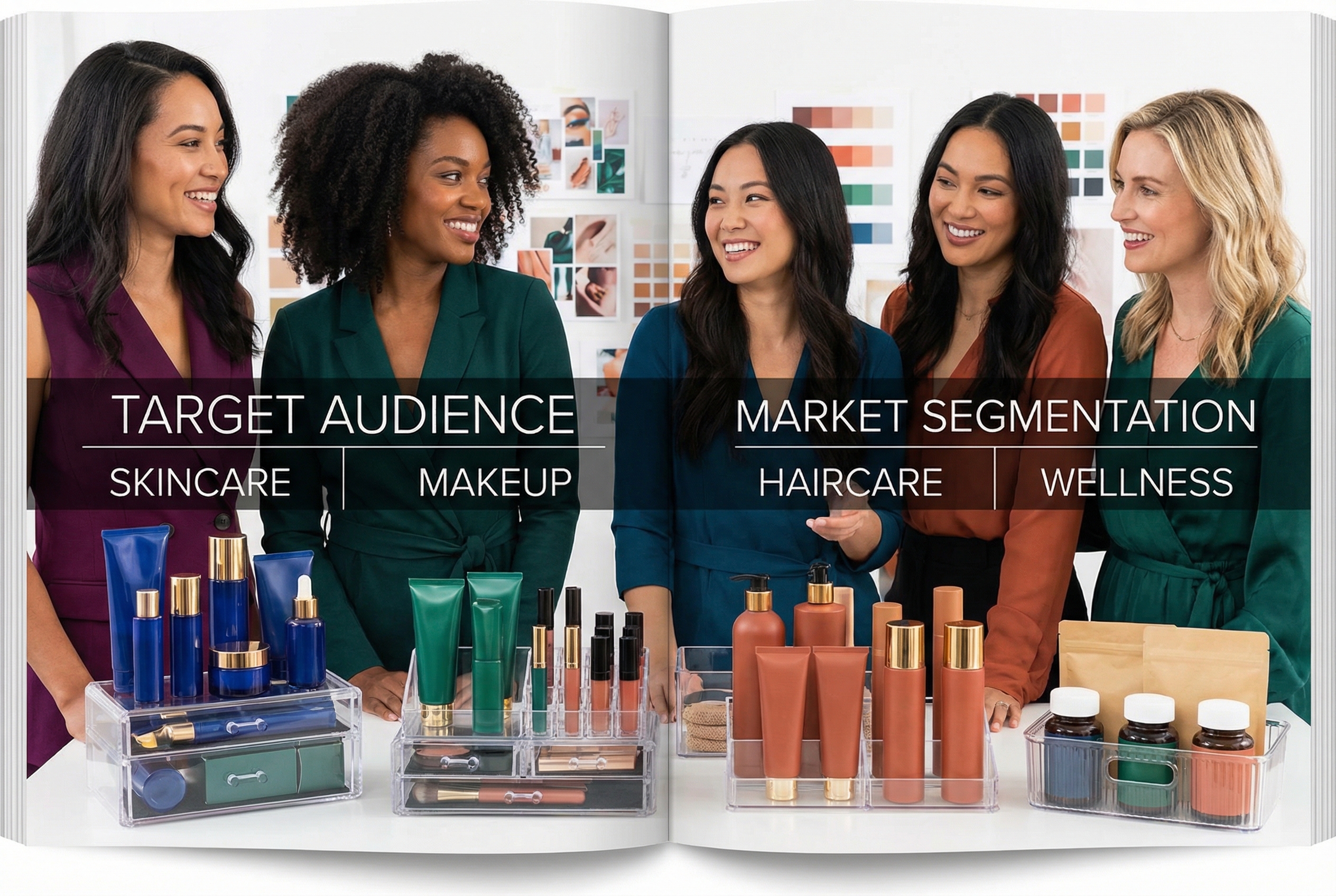
A niche represents a specialized segment of the market that focuses on specific products or services tailored to a particular group of customers. Selecting the right niche is arguably the most critical decision you will make when starting your makeup line, as it will influence every subsequent aspect of your business strategy, from product development to marketing messaging.
The safest path to building a flourishing makeup business involves identifying your target audience and dedicating yourself to serving them with exceptional products that meet their specific needs. Rather than trying to appeal to everyone—which typically results in resonating with no one—you should focus on a clearly defined market segment where your brand can establish dominance.
Consider the following niche options for your makeup line:
Luxury Cosmetics: If you target consumers seeking high-end, premium beauty products, you will need to invest in superior formulations, elegant packaging, and sophisticated branding. This market segment typically commands higher profit margins but requires substantial initial investment and meticulous attention to detail.
Multi-Functional Products: Appeal to busy consumers who want versatile makeup products that serve multiple purposes. These customers value convenience and efficiency, preferring streamlined beauty routines without sacrificing quality or appearance.
Specialized Categories: Focus on a specific product category such as lip color products, comprehensive eyeshadow palettes, foundations for specific skin types, or products designed for particular occasions like bridal makeup or professional photography looks.
Affordable Drugstore Brands: Target budget-conscious consumers who still want quality products. This niche typically requires higher sales volumes to achieve profitability but offers access to a much larger potential customer base.
Analyzing current beauty trends will help you identify which niches demonstrate strong demand and growth potential. Pay attention to social media discussions, beauty industry reports, and emerging consumer preferences to make an informed decision about which direction best aligns with your skills, resources, and passion.
Getting Started: Essential Steps for Launching Your Makeup Business
Every successful business begins with the courage to take that first calculated risk. While the fear of failure is natural and understandable, remember that staying stagnant guarantees no progress. An entrepreneur who never launches a venture will never experience the rewards of business success, just as an unemployed individual cannot receive a salary for work never performed.
When establishing your makeup line, you essentially have two primary business models to consider: wholesale and retail operations. If you are just starting out and working with limited capital, retail operations offer the most accessible entry point. In this model, you purchase products from manufacturers or suppliers and sell them directly to consumers at a markup. This approach allows you to build relationships with customers, understand their preferences, and test market demand before committing to larger investments.
As your business grows and your capital increases, you may eventually explore wholesale opportunities where you sell your products to retailers, boutiques, or other resellers who then market them to consumers. However, this typically requires significant investment in product development, manufacturing capabilities, and brand recognition.
Before launching your makeup line, focus on mastering these three critical areas:
Competitor Research: Knowing Your Competition to Gain a Competitive Edge

Competition is an inherent reality of any business landscape, and the cosmetics industry is certainly no exception. Rather than viewing competition as an obstacle, successful entrepreneurs recognize it as a valuable source of intelligence that can inform and strengthen their own business strategies.
Before your makeup line even begins operations, you should conduct thorough research on established brands within your chosen niche. Understanding what drives the success of industry leaders—and what weaknesses exist in their offerings—provides invaluable insights that can help you differentiate your brand and capture market share.
Effective competitor research involves analyzing several key factors:
Product Offerings: What specific products do your competitors sell? What formulations, shades, and finishes are they known for? How do their product lines compare in terms of variety, quality, and innovation?
Target Audience: Who are their primary customers? Are they targeting the same demographic you intend to serve, or have they carved out a different market segment?
Geographic Presence: Where are competitors located and where do they ship their products? Understanding geographic distribution helps identify potential market gaps or saturation points.
Customer Loyalty Factors: What makes consumers repeatedly purchase from specific brands? Is it product quality, price point, brand identity, customer service, or a combination of factors?
Marketing Strategies: How do competitors promote their products? What channels do they use? Do they rely heavily on influencer partnerships, digital advertising, or traditional marketing methods?
Pricing Structure: How are products priced relative to competitors and market expectations? Do competitors position themselves as luxury, mid-range, or budget options?
Strengths and Weaknesses: What are competitors doing exceptionally well, and where are they falling short? These gaps represent opportunities for your brand to differentiate itself.
After completing your competitor analysis, you will likely identify both direct competitors—companies offering similar products to similar audiences with similar profit goals—and indirect competitors whose products or positioning differs from yours. Both categories provide valuable learning opportunities.
Understanding your competition delivers significant benefits:
- You can clearly identify and communicate your unique competitive advantages
- You develop more effective business strategies by learning from others' successes and failures
- You can strategically position your brand to capitalize on competitors' weaknesses
- You gain confidence in your ability to compete effectively in the marketplace
Online vs. Brick-and-Mortar: Choosing the Right Business Model
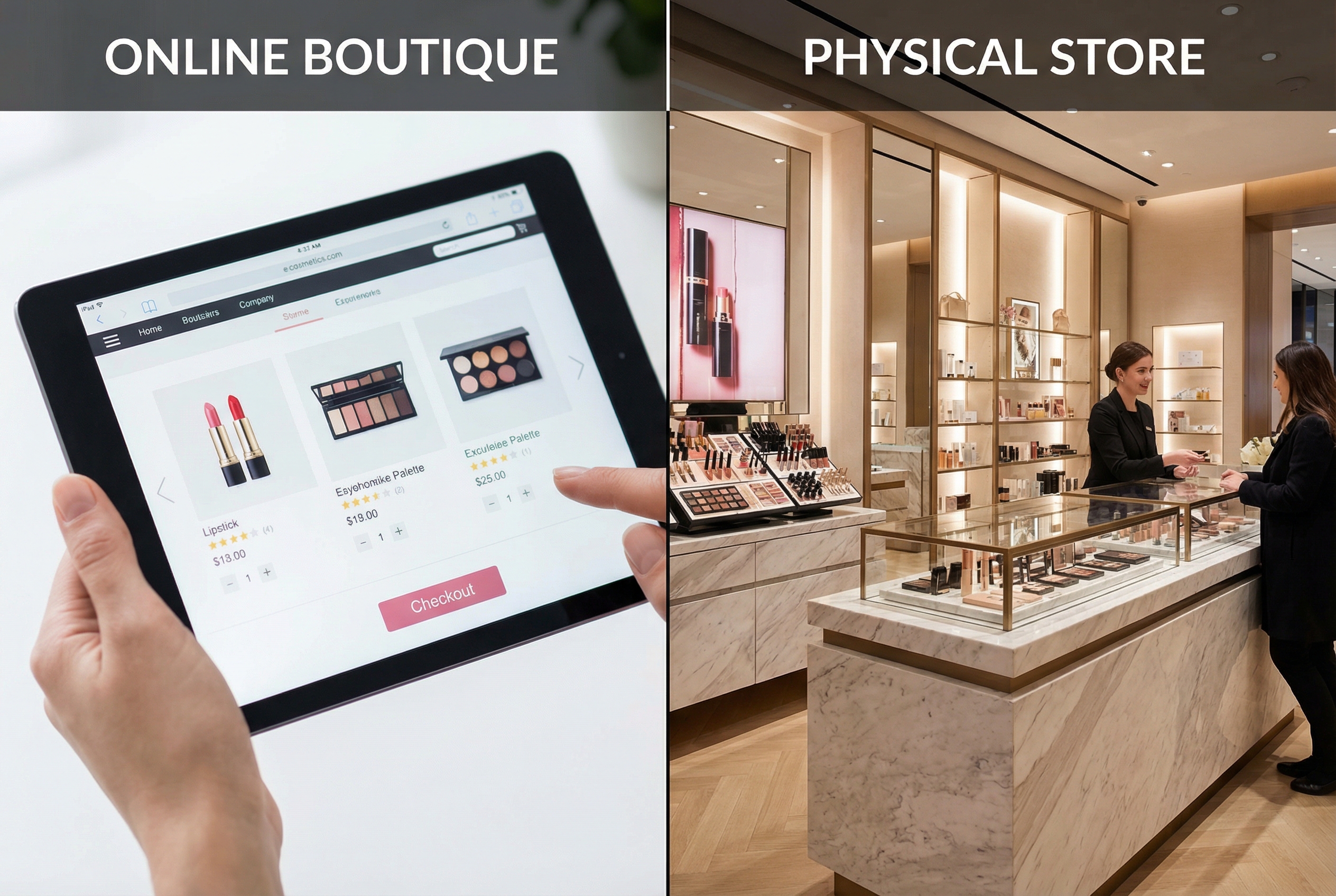
One of the most fundamental decisions you will face when starting your makeup line involves choosing between operating primarily online, establishing a physical retail location, or pursuing a hybrid approach that combines both channels. Each model offers distinct advantages and challenges that should align with your business goals, target audience, and available resources.
Online Business Model
Establishing an e-commerce presence has become increasingly popular for new cosmetics entrepreneurs due to its lower barriers to entry and operational flexibility. Online platforms offer numerous advantages:
- Reduced Overhead Costs: Without the need for physical retail space, you save significantly on rent, utilities, and in-store staffing expenses
- Broader Geographic Reach: The internet allows you to reach customers anywhere in the world, dramatically expanding your potential market
- 24/7 Availability: Your online store never closes, allowing customers to browse and purchase products at their convenience
- Easier Scalability: Adding new products and expanding inventory is simpler when working with digital infrastructure
Leading e-commerce platforms suitable for cosmetics businesses include Shopify, BigCommerce, WooCommerce, and Squarespace. Each offers customizable templates, secure payment processing, and tools specifically designed for e-commerce operations.
Brick-and-Mortar Model
Despite the rise of online shopping, physical retail stores continue to play an important role in the cosmetics industry. Many consumers still prefer the tactile experience of testing products in person before purchasing, particularly for makeup shades and textures that can vary significantly from screen to face.
Physical retail locations offer valuable advantages:
- Personal Customer Interaction: Face-to-face consultations allow you to build relationships, provide expert recommendations, and create memorable shopping experiences
- Immediate Product Access: Customers can leave with their purchases immediately rather than waiting for shipping
- Tangible Brand Experience: A well-designed retail space allows customers to fully immerse themselves in your brand identity
- Product Demonstrations: You can showcase product quality through live demonstrations and samples
Making the Right Choice
The decision between online and physical retail should ultimately depend on understanding your specific target audience and business objectives. If your ideal customers are primarily digital natives who prefer shopping from their devices, an online-first strategy makes sense. Conversely, if your target market values personal service and hands-on product experiences, a physical retail presence may prove essential.
Many successful cosmetics brands eventually adopt an omnichannel approach that combines both online and physical presences, though building both simultaneously requires substantial resources. Consider starting with one channel and expanding strategically as your business grows and generates consistent revenue.
Paperwork and Legal Requirements: Building a Legitimate Business
Operating a legitimate cosmetics business requires proper licensing, permits, and legal documentation. Whether you choose to establish an online store or open a physical retail location, complying with applicable regulations is non-negotiable for long-term success.
A business license serves as official authorization from government authorities to operate within a specific jurisdiction. Beyond simply making your business "legal," proper licensing provides several important benefits:
- Government Accountability: Licensing enables regulatory agencies to track business activities and ensure compliance with tax and operational requirements
- Consumer Trust: Customers generally feel more comfortable purchasing from licensed, legitimate businesses
- Banking and Financial Services: Opening business bank accounts, securing loans, and accepting credit card payments typically requires proof of proper business registration
- Legal Protection: Operating without appropriate licenses exposes you to potential fines, legal action, and business disruption
Beyond basic business licensing, your makeup line may require additional permits and documentation:
Product Safety Certifications: Depending on your jurisdiction, cosmetics products may require certification demonstrating compliance with safety regulations regarding ingredients, manufacturing processes, and labeling requirements.
Health and Safety Permits: If you plan to manufacture products yourself rather than using contract manufacturers, you may need facility permits and inspections ensuring your production environment meets applicable standards.
Business Insurance: Protecting your business with appropriate insurance coverage—general liability, product liability, and property insurance—provides essential protection against unexpected claims and losses.
Registered Business Name: Securing official registration of your business name prevents legal conflicts and establishes your brand identity in the eyes of the law.
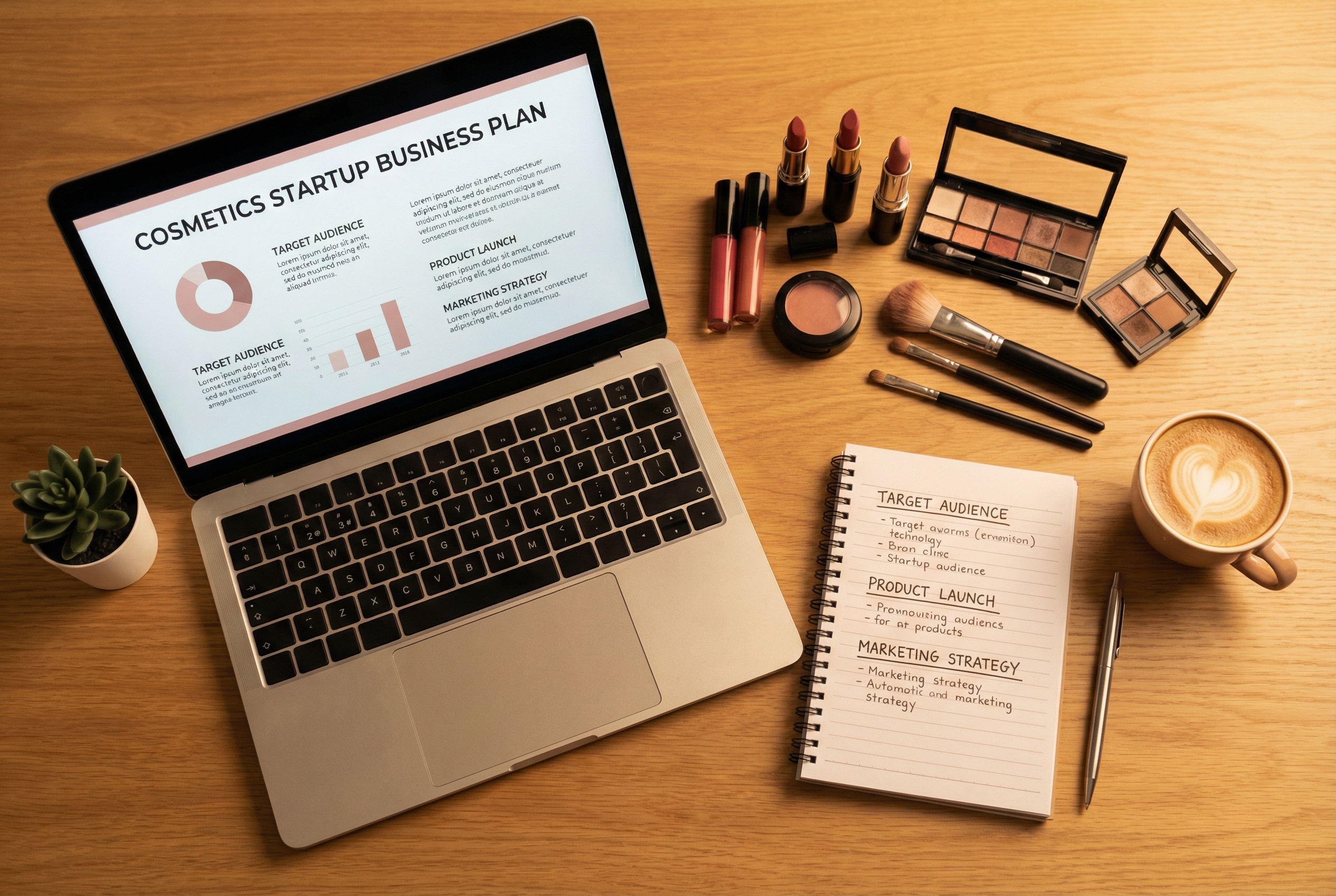
Creating a comprehensive business plan before launching offers significant advantages. This document should outline your business goals, target market analysis, product offerings, marketing strategy, financial projections, and operational plans. A well-prepared business plan guides your decisions and helps keep you accountable to your objectives.
Completing essential paperwork before launching—rather than attempting to handle it while managing day-to-day operations—reduces stress and ensures nothing critical gets overlooked. Operating without proper licensing can result in substantial fines, legal complications, and potentially the forced closure of your business.
Finding Reliable Manufacturers: Partnering for Product Quality

The quality of your makeup products depends heavily on the manufacturers you choose to partner with. Finding reliable, certified, and trustworthy manufacturers is essential for building a cosmetics brand that consumers can trust and continue purchasing from over time.
Locating appropriate manufacturers requires diligent research and careful evaluation. While this process can feel overwhelming for first-time beauty entrepreneurs, systematic approaches yield excellent results:
Analyze Competitor Partnerships: Observe which manufacturers supply successful competitors in your niche. Companies that consistently produce quality products for established brands likely maintain high manufacturing standards worth emulating.
Verify Certifications and Qualifications: Professional cosmetic manufacturers typically employ qualified chemists and hold relevant certifications prominently displayed on their websites. Review these credentials carefully to ensure manufacturing partners meet industry standards for quality and safety.
Review Customer Feedback: If manufacturers maintain public-facing websites or social media presence, examine customer reviews and testimonials. Positive feedback from other cosmetics brands indicates reliable partnership experiences.
Request Product Samples: Before committing to large production orders, request samples of potential manufacturer products. Testing these samples allows you to evaluate quality, consistency, and formulation characteristics firsthand.
Selecting an unreliable manufacturer can devastate your business. Imagine ordering substantial product inventory only to discover that customers consistently report quality issues, allergic reactions, or dissatisfaction. Such problems can quickly destroy brand reputation and financial viability.
When evaluating manufacturing partners, consider factors beyond just pricing. Production capabilities, quality control processes, minimum order requirements, lead times, and communication responsiveness all influence partnership success. Building strong manufacturer relationships typically proves more valuable than simply finding the cheapest option.
Packaging: Making a Lasting First Impression
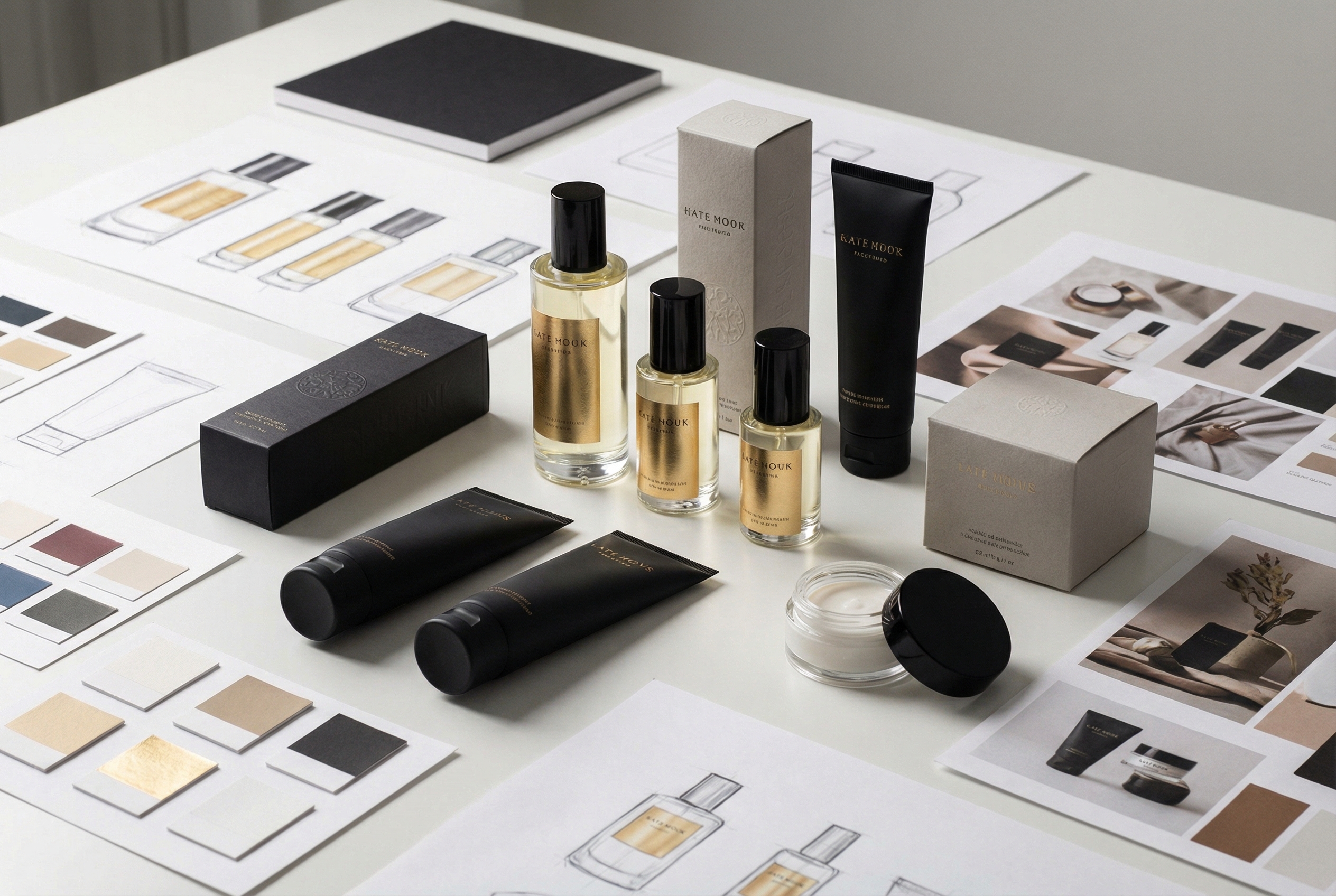
Packaging represents far more than a simple container for your products—it serves as a powerful marketing tool that communicates your brand identity and influences purchasing decisions. Research consistently shows that consumers make rapid judgments about product quality based largely on packaging appearance.
Effective cosmetic packaging should accomplish several important objectives:
Attraction: Well-designed packaging catches the eye and draws potential customers to your products. The design should be visually appealing without being overly cluttered or distracting.
Protection: Beyond aesthetics, packaging must effectively protect products from environmental factors including air exposure, moisture, temperature fluctuations, and physical damage during shipping and handling.
Information: Your packaging provides valuable space to communicate important information to customers. Displaying your website address, social media handles, and basic product usage instructions connects consumers to your brand ecosystem.
Brand Consistency: Packaging design should align seamlessly with your broader brand identity—colors, fonts, messaging tone, and visual elements should create cohesive brand recognition across all touchpoints.
Investing in quality packaging ultimately protects your brand reputation and customer satisfaction. Poor quality packaging that damages products or fails to properly protect them during shipping leads to customer complaints, returns, and negative reviews that can seriously impact your business.
Consider working with professional packaging designers who specialize in cosmetics to develop packaging that balances aesthetic appeal, functional protection, and cost efficiency. The right packaging becomes a silent ambassador for your brand, working continuously to attract customers and reinforce brand perception every time someone sees or handles your products.
Branding: Creating a Distinctive Market Identity
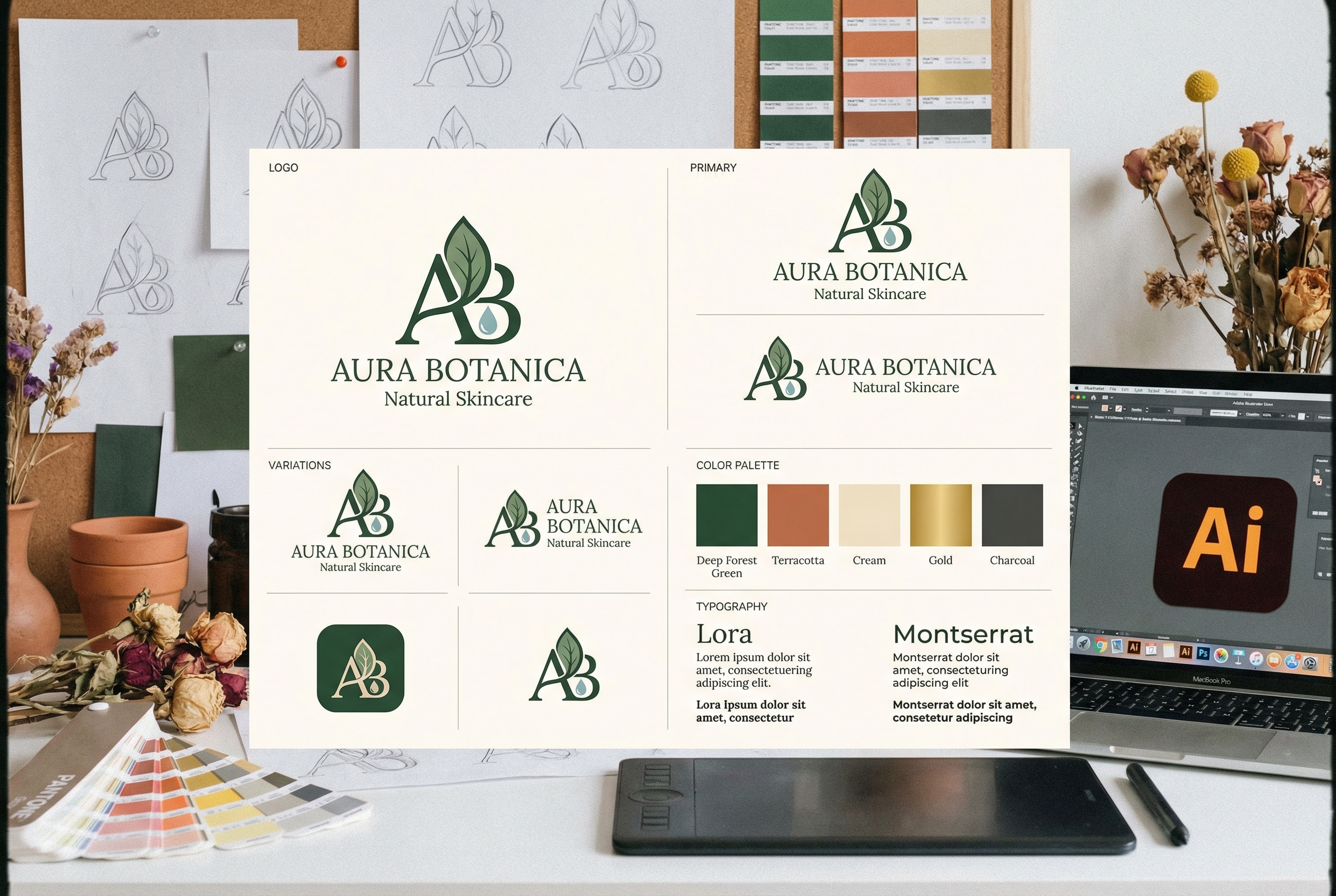
With countless makeup businesses competing for consumer attention, establishing a distinctive brand identity is essential for standing out and building lasting customer relationships. Your brand encompasses everything from your company name and logo to your packaging design, messaging tone, and overall customer experience.
Effective branding creates instant recognition and emotional connection with your target audience. When consumers see your distinctive logo or encounter your consistent brand aesthetic, they should immediately associate those visual elements with the quality, values, and experience your brand promises to deliver.
Key elements of comprehensive branding include:
Company Name: Choose a name that is memorable, easy to pronounce and spell, and appropriate for your target market. Ideally, the name should suggest something positive about your products or brand values.
Logo Design: Your logo serves as the visual cornerstone of your brand identity. Invest in professional graphic design to create a distinctive logo that works effectively across various applications—from product labels and packaging to social media profiles and marketing materials.
Visual Identity System: Develop consistent guidelines for colors, fonts, imagery style, and design elements that maintain visual coherence across all brand touchpoints.
Brand Voice and Messaging: Determine the tone and style of communication that represents your brand. Whether sophisticated and elegant, fun and playful, or clean and clinical, your messaging should consistently reflect your brand personality.
Customer Experience: Every interaction customers have with your brand—from browsing your website to receiving packaging to contacting customer service—should reinforce your brand promise and values.
Professional branding creates a perception of legitimacy and quality that influences purchasing decisions. Consumers typically assume that brands investing in comprehensive branding also invest in product quality and customer service. Strong branding commands premium pricing and builds the customer loyalty essential for long-term business success.
Marketing: Reaching and Converting Your Target Audience
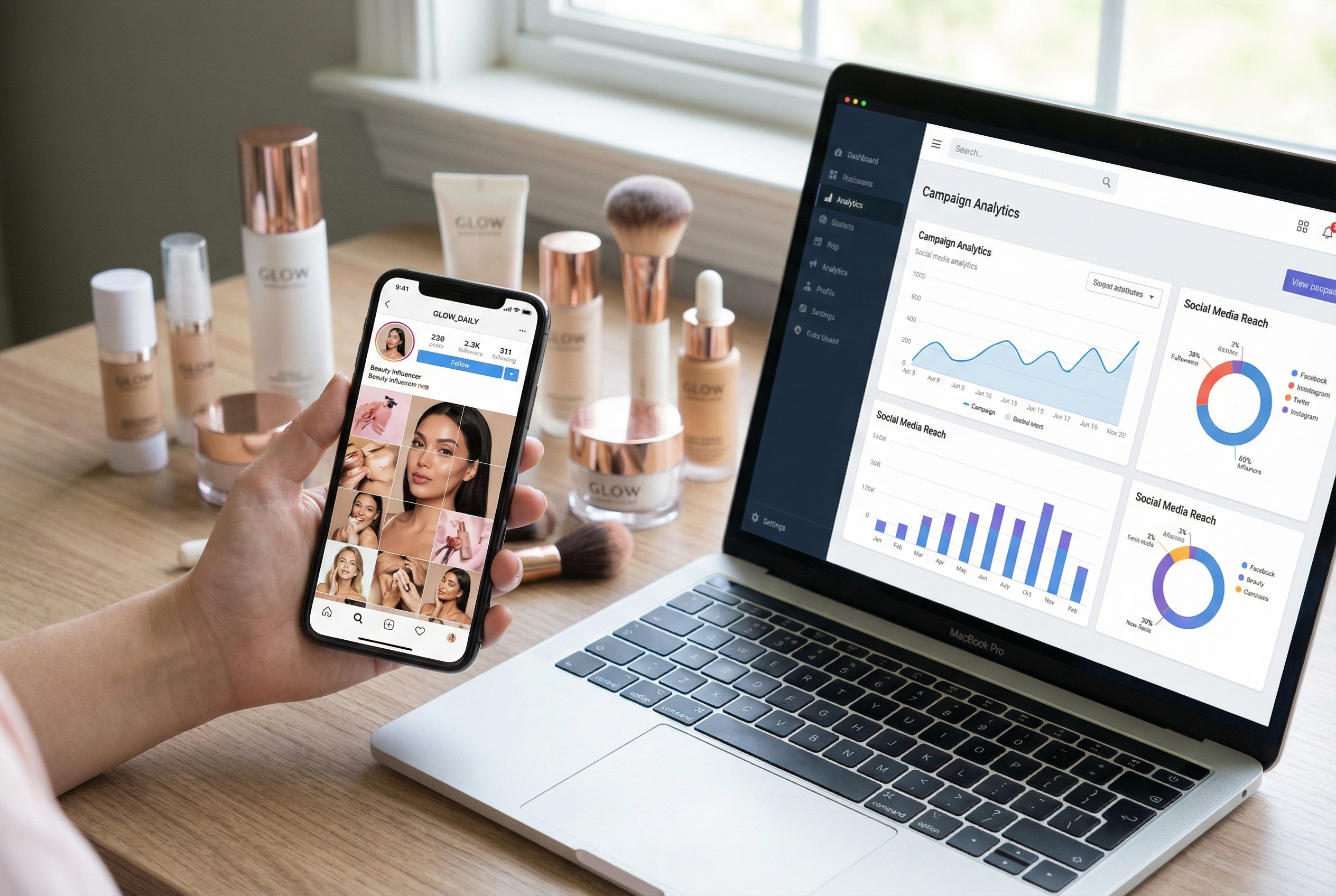
Understanding current market trends and implementing effective marketing strategies is crucial for driving sales and building your brand presence in the competitive cosmetics industry. Without thoughtful marketing efforts, even exceptional products struggle to find their way to customers.
Building Your Online Presence
Establishing a professional website serves as the foundation of your digital marketing strategy. Your website should showcase your products, communicate your brand story, provide detailed product information, and enable customers to easily make purchases. Incorporating customer review functionality builds trust and influences purchasing decisions, as potential customers often rely heavily on peer recommendations.
Leveraging Social Media
Social media platforms have transformed beauty marketing, offering unprecedented access to engaged audiences passionate about cosmetics and personal appearance. Instagram and TikTok particularly dominate beauty marketing, with countless influencers creating content around makeup products, tutorials, and recommendations.
Consider these social media strategies:
- Influencer Partnerships: Collaborate with beauty influencers whose values and audience align with your brand. These partnerships can introduce your products to engaged followers who trust influencer recommendations.
- Organic Content Creation: Regularly post high-quality content showcasing your products, sharing beauty tips, and building community engagement with your followers.
- Paid Advertising: Social media platforms offer sophisticated advertising tools that allow precise audience targeting based on demographics, interests, and behaviors. Facebook and Instagram ads can reach users who have demonstrated interest in beauty products.
- User-Generated Content: Encourage customers to share their experiences with your products using branded hashtags, then feature this content on your own profiles to build social proof.
Search Engine Optimization
Investing in search engine optimization helps potential customers find your products when searching for relevant terms online. Effective SEO involves optimizing website content with relevant keywords, building quality backlinks, ensuring technical website performance, and creating valuable content that addresses customer questions and needs.
Marketing your makeup line effectively requires consistent effort, testing, and optimization. Track campaign performance, analyze customer responses, and continuously refine your approach based on what resonates most with your target audience.
How to Stand Out in a Crowded Market
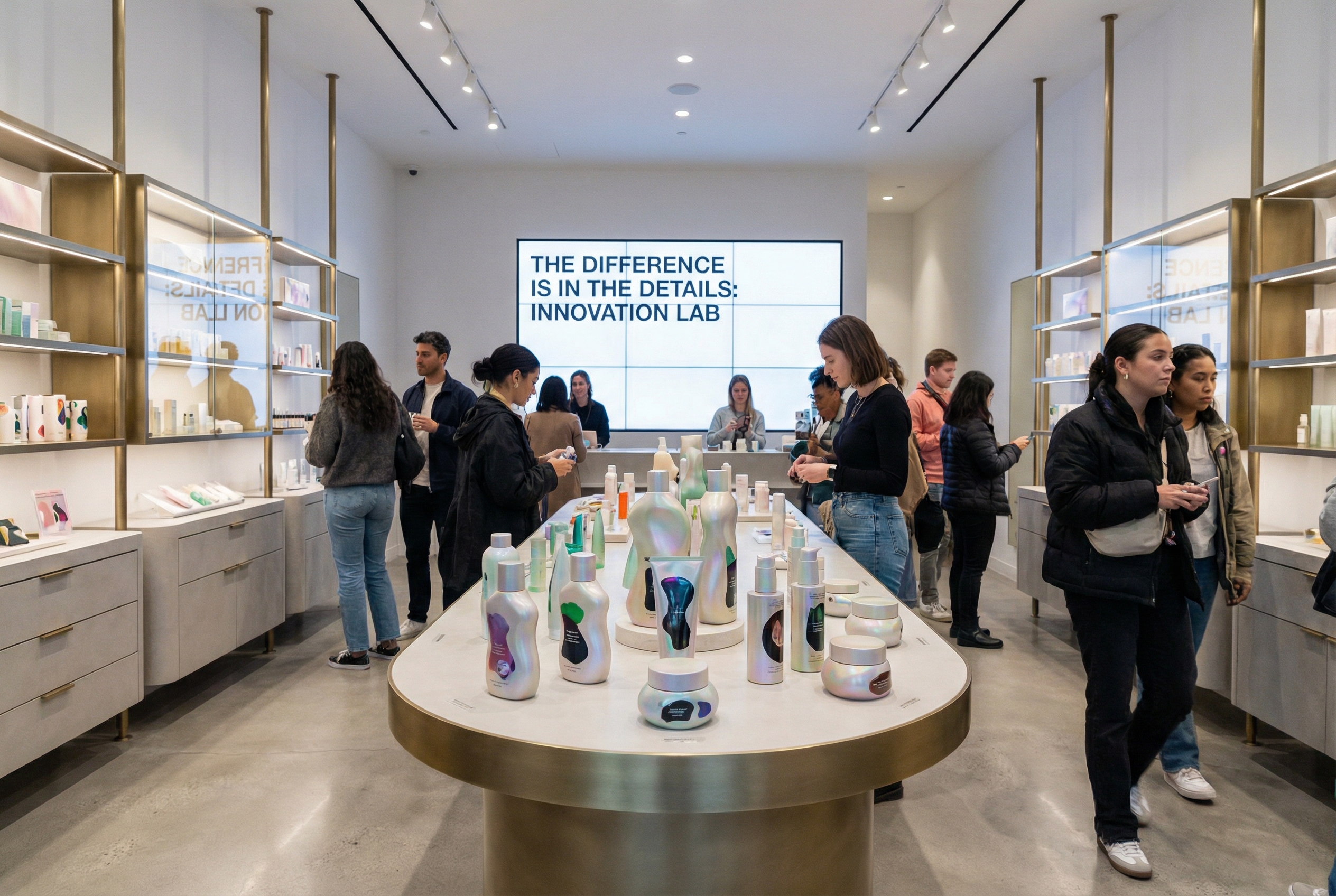
Every beauty brand faces competition, but the industry's most successful players distinguish themselves through exceptional attention to customer needs, innovative product development, and memorable brand experiences. Learning from top performers and strategically differentiating your offerings creates sustainable competitive advantages.
Study Successful Competitors
Analyze what industry leaders do exceptionally well and identify opportunities to either match or exceed their standards. Pay attention to product quality, customer service approaches, marketing effectiveness, and brand positioning. Understanding what drives competitor success helps you develop strategies that achieve similar results—or find ways to deliver even greater value to customers.
Identify and Address Customer Pain Points
One of the most effective ways to differentiate your brand involves deeply understanding customer frustrations with existing products and developing solutions that address these pain points. Perhaps competitors offer products with limited shade ranges, confusing product descriptions, poor customer service, or unsustainable practices. Identifying and solving these problems creates compelling reasons for customers to choose your brand over alternatives.
Innovate Within Your Niche
Even within established product categories, opportunities exist for innovation. New formulations, unique color palettes, sustainable packaging solutions, or novel product applications can capture consumer attention and generate excitement around your brand. Innovation doesn't require groundbreaking discoveries—sometimes small improvements in existing products deliver significant customer value.
Deliver Exceptional Customer Experiences
Every touchpoint with customers offers opportunities to impress and build loyalty. From website usability and shipping speed to packaging quality and post-purchase follow-up, excelling at these details creates memorable experiences that customers remember and share with others.
Additional Tips for Makeup Business Success
Choosing between private label and white label manufacturing affects your level of control over product development:
Private Label Manufacturing
Private label arrangements offer maximum creative control over your products. Working with a private label manufacturer allows you to specify exact formulations, select ingredients, design packaging, and create products exactly as you envision them. This approach suits entrepreneurs who have specific product visions and want complete ownership of their product designs.
White Label Manufacturing
White label products come pre-formulated by manufacturers, though you can typically customize labeling and packaging. This approach offers faster time-to-market and lower development costs, though you sacrifice some creative control over product formulations.
Regardless of your manufacturing approach, prioritize these success factors:
Maintain Flexibility: The cosmetics market evolves rapidly. Remain open to adjusting your product offerings, marketing strategies, and business model based on market feedback and changing consumer preferences.
Develop Strong Planning Skills: Success requires systematic planning and disciplined execution. Create detailed business plans, set measurable goals, and regularly evaluate progress against your objectives.
Embrace Continuous Learning: Study successful beauty brands, follow industry trends, and continuously expand your knowledge of cosmetics, marketing, and business management.
Prioritize Customer Loyalty: Exceptional customer service and product quality build the loyalty essential for long-term business success. Focus on exceeding customer expectations at every opportunity.
Conclusion: Your Journey to Makeup Business Success

The cosmetics industry continues to expand yearly, offering remarkable opportunities for entrepreneurs passionate about beauty and business. Starting your own makeup line represents both an exciting adventure and a serious commitment that requires dedication, strategic thinking, and persistent effort.
As you embark on this journey, remember that success rarely comes overnight. The cosmetics industry rewards those who approach it with realistic expectations, thorough preparation, and unwavering commitment to quality and customer satisfaction. Expect challenges, setbacks, and learning opportunities along the way—these experiences ultimately strengthen your business acumen and resilience.
By following the strategies outlined in this guide—choosing your niche wisely, understanding your competition, selecting appropriate business models, securing proper licensing, partnering with reliable manufacturers, investing in quality packaging and branding, and implementing effective marketing—you position yourself for the best possible chance of building a thriving cosmetics business.
The beauty industry needs innovative, customer-focused entrepreneurs who understand both the art and science of cosmetics. Your unique vision, combined with the practical knowledge needed to execute effectively, can create a brand that resonates with consumers and builds lasting success.
Take the first step with confidence, knowing that countless successful makeup brands began with nothing more than an idea and the determination to bring it to life. Your journey to makeup business success starts today.
Frequently Asked Questions
How much capital do I need to start a makeup line?
The required capital varies significantly based on your business model, product range, and manufacturing approach. Initial investments can range from 100,000+ for brands developing proprietary products with custom manufacturing. Consider costs for product development, packaging, branding, website development, initial inventory, and marketing.
Do I need cosmetic certifications to start a makeup business?
Requirements vary by jurisdiction, but most regions require business licensing and may require specific cosmetic product registrations or certifications. Research regulations in your target markets and consult with legal professionals to ensure compliance.
Should I start with private label or white label products?
Private label offers more creative control but requires higher investment and longer development timelines. White label provides faster market entry at lower cost. Consider your budget, timeline, and brand vision when making this decision.
How do I choose the right manufacturer for my products?
Evaluate manufacturers based on certifications, sample quality, communication responsiveness, minimum order requirements, and references from other brands. Request and thoroughly evaluate samples before committing to production.
What marketing channels work best for makeup brands?
Instagram and TikTok dominate beauty marketing, but effectiveness varies based on your target audience. A comprehensive approach combining social media, influencer partnerships, e-commerce optimization, and potentially paid advertising typically yields best results.